Living longer is one goal — but living healthier for longer is just as important. This idea, known as healthspan, refers to the years we spend free from chronic disease. A key factor in extending healthspan is metabolic health, which includes cholesterol levels, blood sugar control, and insulin sensitivity — all of which tend to decline with age.
A new study suggests that improving these markers may be easier than expected.
How the Study Was Done
Researchers at South Dakota State University conducted an 18-week randomized controlled trial involving 36 adults aged 65 and older. To remove guesswork, participants were provided with all their meals.
Each participant followed two different diets for eight weeks each:
- A plant-forward omnivorous diet, where minimally processed lean pork was the main protein source, alongside vegetables, fruit, whole grains, dairy, and eggs.
- A lacto-ovo vegetarian diet, centered on lentils and other legumes, combined with dairy, eggs, vegetables, fruit, and whole grains.
Both diets followed U.S. dietary guidelines and avoided artificial additives and preservatives.
The most important shared feature? A major reduction in ultra-processed foods (UPFs). At the start, nearly half of participants’ daily calories came from UPFs. During the study, this dropped to just 11–14%.
Researchers monitored weight, body fat, blood sugar, cholesterol, and metabolic hormones throughout the study.
What the Researchers Found
Results were strikingly similar across both diets — regardless of whether protein came from meat or lentils. Participants weren’t told to eat less, yet they naturally reduced calorie intake and saw meaningful health improvements.
Key outcomes included:
- Weight loss: An average loss of 3.8–4.4 kg (8–10 lbs) without intentional dieting.
- Less visceral fat: Harmful abdominal fat decreased by about 13%.
- Improved insulin sensitivity: Insulin resistance dropped by 24%, lowering diabetes risk.
- Better cholesterol: Total and LDL (“bad”) cholesterol levels fell significantly.
- Hormonal improvements: Levels of FGF21 (linked to metabolic health and longevity) increased, while leptin (associated with body fat) decreased.
The takeaway: the benefits came from cutting ultra-processed foods, not from choosing one specific type of diet.
Study Limitations
The study was relatively small and short, with most participants being white, college-educated, and living in rural Midwestern areas. Because of this, the results may not fully represent the broader population. Longer and more diverse studies are needed to confirm the long-term effects.
What This Means for Everyday Life
You don’t need a strict or trendy diet to improve cholesterol and metabolic health. This study shows that diet quality matters more than diet labels.
Ultra-processed foods — such as packaged snacks, fast food, sugary drinks, and ready-made meals — are often high in salt, sugar, and unhealthy fats while lacking essential nutrients. Replacing them with whole or minimally processed foods can lead to meaningful health improvements.
Simple swaps can make a big difference:
- Choose fruit, nuts, or strained (Greek-style) yogurt instead of packaged snacks.
- Cook more meals at home to control ingredients.
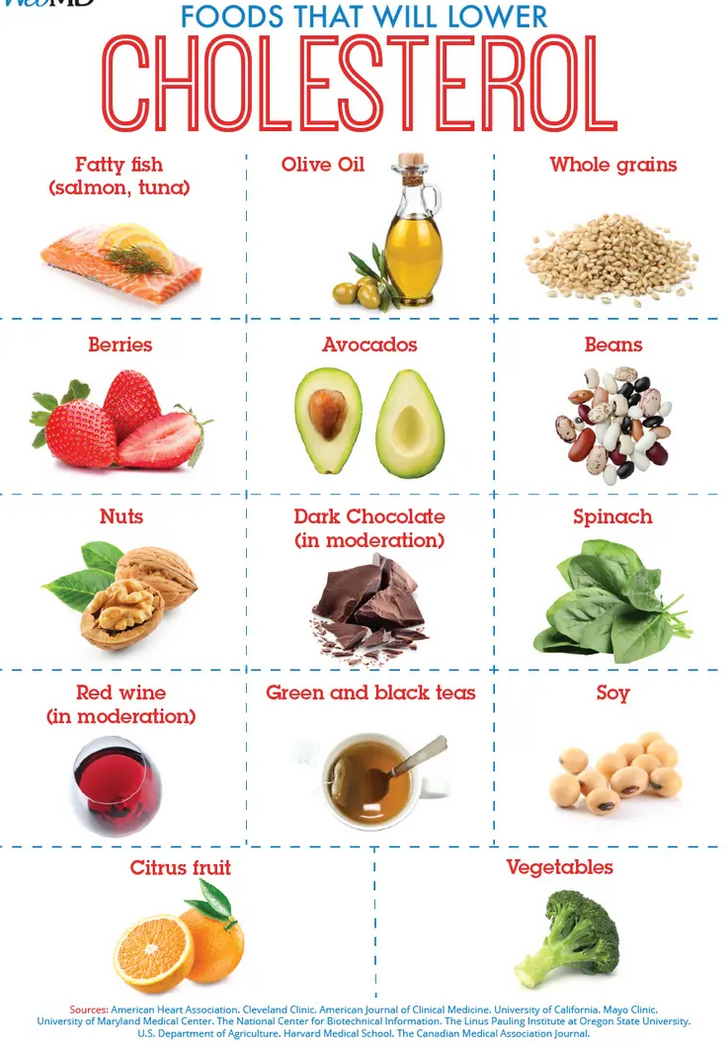
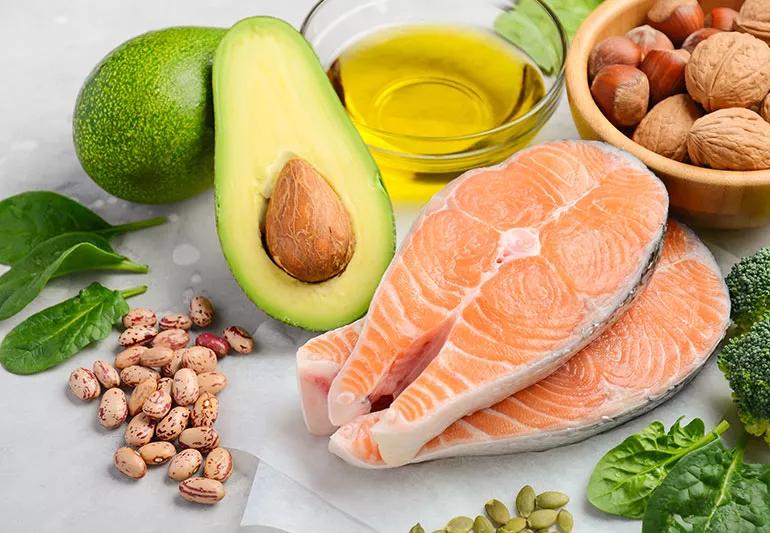
- Focus on vegetables, whole grains, quality protein, and healthy fats.
Expert Takeaway
This study, published in Clinical Nutrition, delivers a clear and encouraging message: improving metabolic health doesn’t require perfection — just fewer ultra-processed foods. Whether your diet includes meat or is vegetarian, prioritizing whole, nutrient-dense foods can support better cholesterol, blood sugar control, and overall health as you age.
Small changes, done consistently, can go a long way toward extending not just lifespan — but healthspan.